A stiff neck after waking up. Tension that builds through the day and ends in a headache. That uncomfortable tightness between the shoulders after hours at a desk or on a phone. Neck pain is incredibly common in Malaysia, and with the way most people work and live today, it is becoming more prevalent across all age groups.
WHAT IS CAUSING YOUR NECK PAIN?
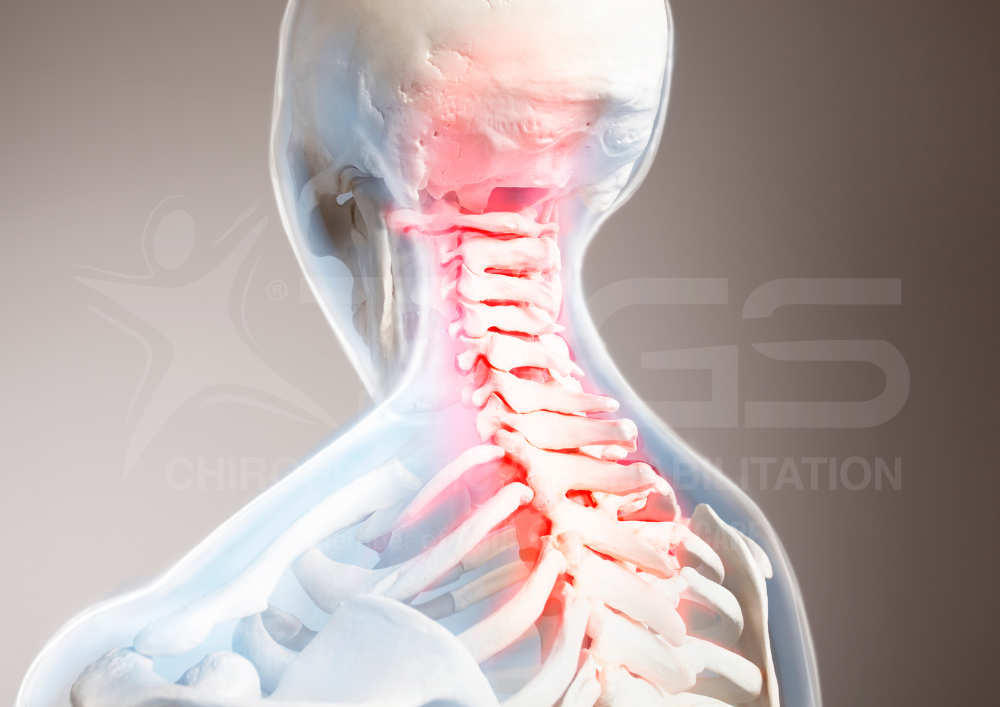
Neck pain can arise from a range of causes, from something as simple as sleeping in an awkward position to more complex structural changes in the cervical spine (the seven vertebrae in the neck).
Cervical spondylosis refers to age-related degeneration of the cervical spine, including changes to the discs, joints, and bones. It is extremely common and evidence of it appears in imaging scans of most people over the age of 60, though many have no symptoms at all.
Cause | Who It Commonly Affects |
Poor posture from screens or phones | Office workers, students |
Muscle strain from sudden movement or sleep position | Anyone |
Cervical disc herniation | Adults aged 30 and above |
Cervical spondylosis | Adults aged 50 and above |
Stress-related muscle tension | Working adults |
Whiplash from accidents | Road accident patients |
COMMON SYMPTOMS
Most people with neck pain experience some combination of the following:
- Aching or stiffness at the back or sides of the neck
- Reduced ability to turn or tilt the head comfortably
- Headaches that seem to start from the base of the skull
- Pain or tightness spreading into the shoulders and upper back
In cases where nerves are involved, tingling or numbness can travel down into the arms, hands, or fingers. Some people also notice a grinding or clicking sensation when moving the neck. If any of this sounds familiar, a proper assessment is the right next step.
TEXT NECK: A GROWING PROBLEM IN MALAYSIA
Most Malaysians spend several hours a day looking down at a phone or laptop without realising the strain it places on the cervical spine. When the head tilts forward, the effective load on the neck increases significantly.
Head Position | Estimated Load on Spine |
Neutral (upright) | 5 to 6 kg |
15 degrees forward | Around 12 kg |
45 degrees forward | Around 22 kg |
60 degrees forward | Around 27 kg |
Over months and years, this kind of repeated strain adds up and is one of the leading contributors to early cervical degeneration among younger adults in Malaysia.
HOW IS IT TREATED?
Most neck pain responds well to conservative, non-surgical care. The key is identifying what is driving the problem and addressing it directly. Treatment typically combines chiropractic adjustments to restore joint movement and reduce stiffness, physiotherapy to strengthen the deep neck muscles and improve postural alignment, and therapeutic modalities such as IFC, ultrasound, and TENS to manage pain and inflammation. Dry needling is also commonly used to release persistent tightness in the neck and upper shoulder muscles.
Posture correction plays an equally important role. Here are a few simple changes that make a real difference:
- Raise your monitor to eye level so you are not looking down
- Reduce continuous phone use and hold your device higher when scrolling
- Take a short movement break every 45 to 60 minutes
- Sleep with a pillow that supports the natural curve of your neck
WHEN SHOULD YOU GET CHECKED?
Neck pain that does not improve within a few days, or that comes with numbness, tingling, or weakness in the arms, warrants a proper assessment. Early intervention generally leads to faster and more complete recovery.
Chat with us on WhatsApp: Click here to start a conversation.
Fast response. No obligation.