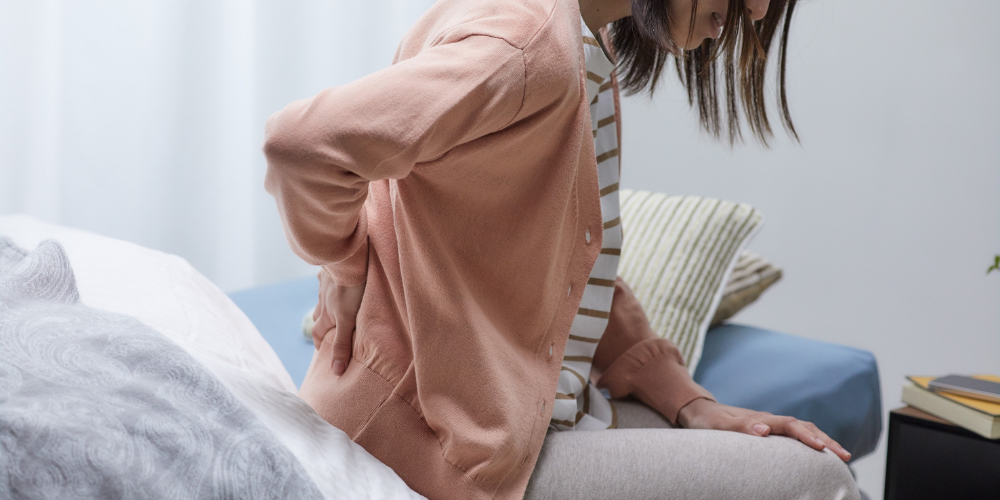
Lower back pain is one of the most common reasons people visit a healthcare provider. It affects people of all ages, from students hunched over textbooks to working adults sitting for hours at a desk, to older individuals dealing with years of wear and tear. If you have experienced it, you know how quickly it can affect everything: your sleep, your work, your mood.
WHAT CAUSES LOWER BACK PAIN?
Lower back pain is not a single condition. It is a symptom with many possible causes. The lumbar spine (lower back) bears a significant amount of the body’s load and is subject to considerable stress throughout the day.
Common causes include:
- Muscle or ligament strain from sudden movements, heavy lifting, or awkward postures
- Prolonged sitting with poor posture, a particularly common issue in Malaysia’s work culture
- Herniated or bulging discs pressing on spinal nerves
- Facet joint dysfunction, stiffness or irritation of the small joints along the spine
- Degenerative disc disease, gradual wear of the spinal discs over time
- Weak core muscles that fail to adequately support the spine
- Sacroiliac (SI) joint dysfunction
COMMON SYMPTOMS
- Dull, aching, or throbbing pain in the lower back
- Stiffness in the morning that eases with movement
- Pain that worsens after prolonged sitting, standing, or bending
- Sharp pain that radiates into the buttocks or legs
- Muscle spasms or tightness in the lower back
- Difficulty changing positions or standing fully upright
If you are experiencing any of the above, it is worth having a proper assessment. A chiropractor or physiotherapist can identify what is driving your symptoms and rule out anything that may need further investigation.
IS YOUR LIFESTYLE MAKING IT WORSE?
Many Malaysians spend 8 to 10 hours a day seated, whether at a desk, in a car, or on the sofa. This kind of prolonged, static posture puts constant pressure on the lumbar spine and weakens the muscles that support it over time.
A few habits that commonly contribute to lower back pain:
- Sitting for long hours without breaks
- Looking down at your phone for extended periods
- Sleeping on a mattress that does not support the natural curve of the spine
- Lifting heavy objects with the back instead of the legs
- Carrying a heavy bag on one shoulder regularly
The good news is that these are all modifiable. Awareness is the first step, and small adjustments to daily habits can make a significant difference over time.
HOW IS IT TREATED?
The approach to treating lower back pain depends on its cause, duration, and severity. What works well is an assessment-driven plan, not a one-size-fits-all solution.
Staying active, within a manageable range of pain, is generally more beneficial than complete rest. Movement encourages circulation, prevents stiffening, and supports faster recovery.
Common treatment approaches include chiropractic adjustments to restore spinal alignment and relieve joint restrictions, physiotherapy and lumbar stabilisation exercises to strengthen the core and supporting muscles, and therapeutic modalities such as IFC, ultrasound, and TENS to reduce pain and inflammation. For persistent or chronic cases, shockwave therapy and dry needling may also be used to address deep muscle tension and trigger points.
Alongside treatment, understanding the contributing factors is just as important. Workstation ergonomics, lifting habits, sleep posture, and physical activity levels all play a role in both recovery and prevention. Small, consistent changes in daily habits often have a bigger long-term impact than treatment alone.
ACUTE VS CHRONIC LOWER BACK PAIN: WHAT IS THE DIFFERENCE?
Not all lower back pain is the same, and understanding the difference can help you make better decisions about your care.
Acute lower back pain comes on suddenly, often after a specific movement or incident. It typically lasts a few days to a few weeks and tends to resolve with appropriate care and rest.
Chronic lower back pain is pain that persists for more than three months. It may have started as an acute episode that never fully healed, or it may have developed gradually over time. Chronic pain often requires a more structured, longer term treatment approach and greater attention to lifestyle factors.
Both types are treatable. The key is not to ignore either one.
SIMPLE TIPS TO PROTECT YOUR LOWER BACK
You do not need to wait until the pain becomes unbearable to start taking care of your spine. Here are a few practical habits that help:
- Take a short walk or stretch every 45 to 60 minutes if you sit for long periods
- Adjust your chair so your feet are flat on the floor and your screen is at eye level
- Strengthen your core regularly, even simple exercises like planks and bridges make a difference
- Sleep on your side with a pillow between your knees to reduce spinal pressure
- Stay hydrated, the spinal discs rely on water to maintain their height and shock absorption
WHEN SHOULD YOU GET CHECKED?
Pain that has lasted more than a few days, is gradually worsening, or is spreading into the legs should not be ignored. A proper assessment helps identify the root cause and rules out anything more serious, giving you a clearer path to recovery.
Chat with us on WhatsApp: Click here to start a conversation.
Fast response. No obligation.