Why Smart HR Are Making Ergonomic Risk Assessment (ERA) a Top Priority
HR managers, let’s talk about the elephant in the room. Why does your company’s employee healthcare cost keep naik, naik, naik, while team productivity sometimes feels like it’s going down?
But what if the secret weapon isn’t a better insurance negotiator but a proactive approach to workplace ergonomics? The answer lies in a powerful, often overlooked tool: the Ergonomic Risk Assessment (ERA).
The Price of Pain: Why Rising Healthcare Hits Companies Hard
When an employee gets hurt, the medical bills are just the tip of the iceberg. Hospitalization, surgery, and physical therapy are exponentially more expensive than early intervention. Think of it this way, funding a round of ergonomic assessments for your team is the cost of a few high-end office chairs. Funding one carpal tunnel surgery is the cost of a small car.
Investing in occupational injury prevention isn’t just a “nice-to-have” wellness perk; it’s a direct and strategic line item that protects your bottom line from the staggering costs of reactive care.
Why Is Prevention the Way to Go Forward?
Let’s be honest: paying for an injury after it happens is like buying a new bumper after the car accident. It’s a necessary expense, but the real failure was letting the crash happen in the first place.
For HR and safety leaders, the strategic move isn’t a better claims process; it’s a work environment where fewer claims are needed. This is the core of modern, cost-effective people management. Stop funding the aftermath. Start investing in the cause.
ERA Explained: The HR Secret to Spotting Risks Early

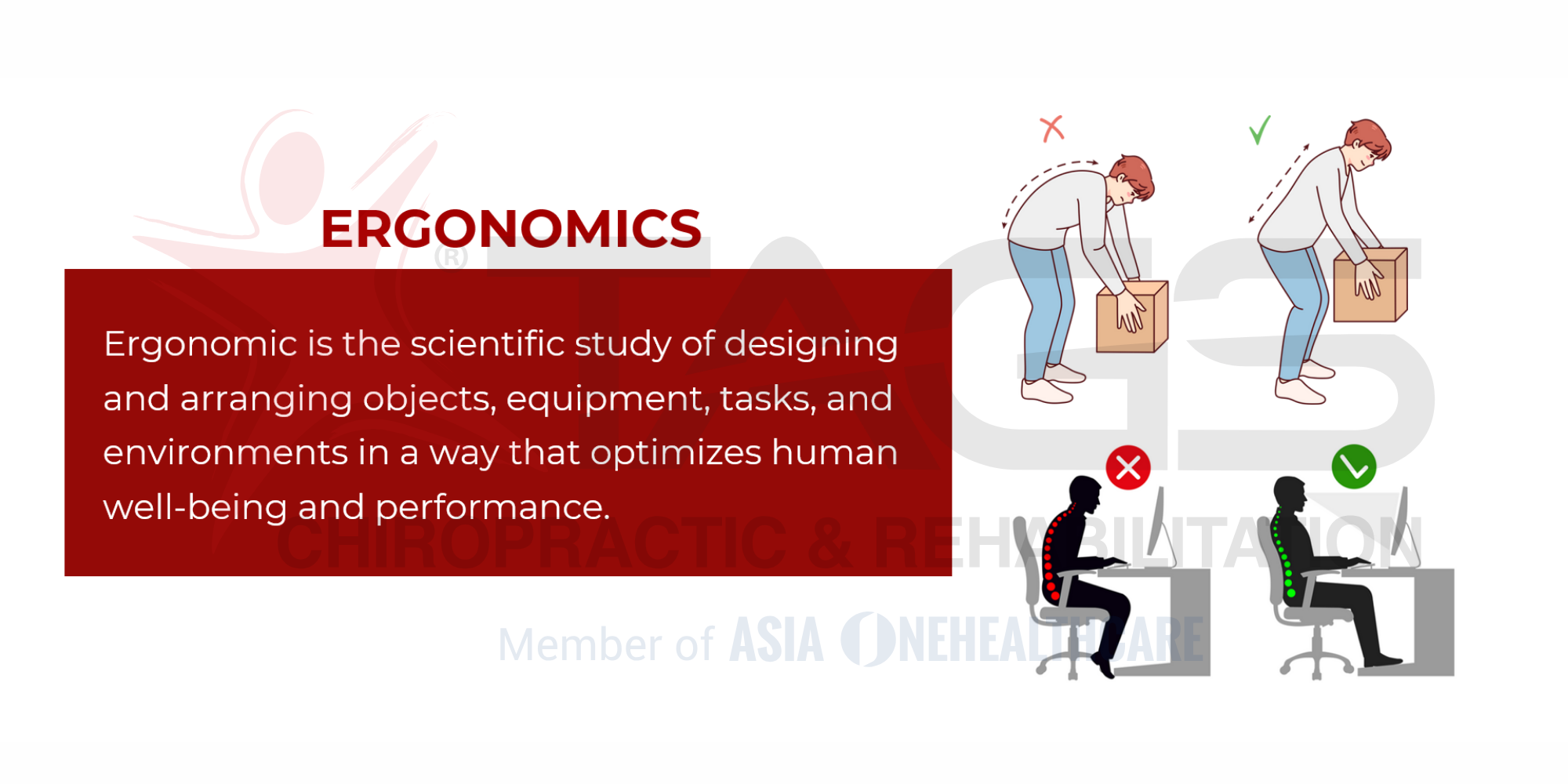
An Ergonomic Risk Assessment (ERA) is your proactive solution for identifying workplace hazards before they lead to injuries. Think of it as a strategic audit of your employees’ physical environment and work habits.
We analyze how tasks are performed, from desk work to lifting, to pinpoint the specific stressors that cause strain. The table below highlights common risk areas an ERA uncovers:
| Work Activity | Common Risky Posture/Movement | Ergonomic Red Flag & Potential Consequence |
| Sitting at a Desk | Slouching, rounded shoulders, wrists bent. | Strain on neck and upper back. Risk of chronic pain and carpal tunnel. |
| Picking Up Objects | Bending at the waist with a rounded back. | High force on the lumbar spine. Risk of muscle strains or herniated discs. |
| Repetitive Movement | Static posture with high-frequency motions. | Overuse of specific tendons. Primary cause of repetitive strain injuries (RSIs). |
| Standing Work | Locking knees, leaning to one side. | Poor circulation and joint compression. Leads to swelling and back pain. |
| Overhead Work | Sustained arms above shoulder height. | Fatigue and strain in shoulder muscles and neck. |
This data-driven approach transforms guesswork into a clear roadmap for occupational injury prevention, allowing you to target interventions where they are needed most.
How an Ergonomic Risk Assessment Saves Money and Improves Productivity

Implementing the findings of an ERA is where the magic happens, and by magic, we mean measurable financial and cultural returns.
- Fewer Injuries: By correcting workstation setups and work habits, you directly reduce the incidence of sprains, strains, and chronic pain. This is the most straightforward path to reduce workers’ comp costs.
- Reduced Claims: Fewer injuries mean fewer expensive insurance claims. A lower claims history can lead to more favorable insurance premiums over time.
- Healthier, Happier Employees: When employees feel their company is actively investing in their well-being, morale and loyalty soar. A comfortable employee is a focused, engaged, and productive employee.
Why ERA? Insurance Can’t Cover Lost Productivity
Here’s a cold, hard truth that every business leader knows: even the most comprehensive insurance policy has a massive deductible called “lost productivity.”
Your insurance might cover a portion of the medical bill for a repetitive strain injury, but it won’t cover:
- The absenteeism while your employee is out.
- The downtime as you scramble to cover their responsibilities.
- The team disruption and the lost institutional knowledge.
- The cost of hiring and training a temp.
The productivity drain from just one musculoskeletal injury can ripple through a team for months. An ounce of prevention here is worth far more than a pound of cure.
From Costly Claims to Smart Gains: Partner with TAGS
Chasing down the root cause of workplace pain and navigating the world of occupational injury prevention can feel overwhelming. You’re an expert in your business, not in biomechanics.
That’s where we come in.
At TAGS Chiropractic and Rehabilitation, we bridge the gap between healthcare and bottom-line business sense. We don’t just treat pain; we provide the data-driven insights and practical solutions to prevent it.
Your Insurance Company Already Knows Us
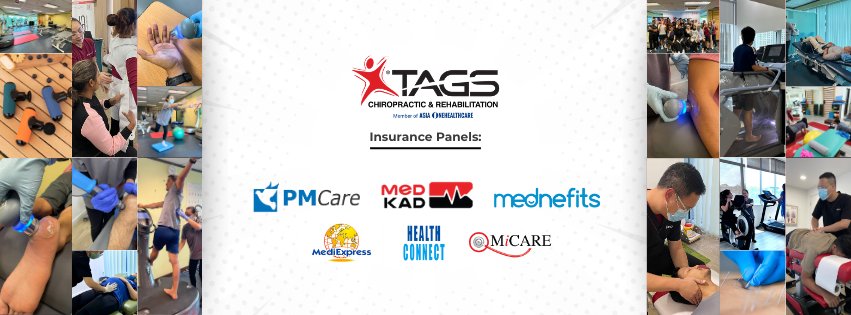
As a recognized panel provider for top insurers in Malaysia, TAGS Chiropractic is already integrated into the health and claims ecosystem. Let’s connect your team, your insurance partners, and our expertise to build a proactive plan that manages costs and elevates care.
This means we can work together with you and your provider to shift the focus from managing costly claims to preventing them in the first place. Let’s turn those premium conversations from “what went wrong” to “look what we’ve prevented.”
Our Ergonomic Risk Assessments are tailored to your unique work environment, delivering a clear, actionable plan to protect your people and your profits.
Stop paying the price for pain. Let’s partner to build a healthier, more resilient, and more productive workplace.
👉 Book an appointment today and take your first step toward a pain-free tomorrow.
📲 Chat with us on WhatsApp: Click here to start a conversation.
Fast response. No obligation.