That sharp, shooting pain in your lower back or down your leg, it might not just be a muscle problem. For many Malaysians, the culprit is a herniated disc, more commonly known as a slipped disc. It is one of the most common spine conditions affecting adults aged 30 to 55, and it is far more manageable than most people think.
WHAT IS A HERNIATED DISC?
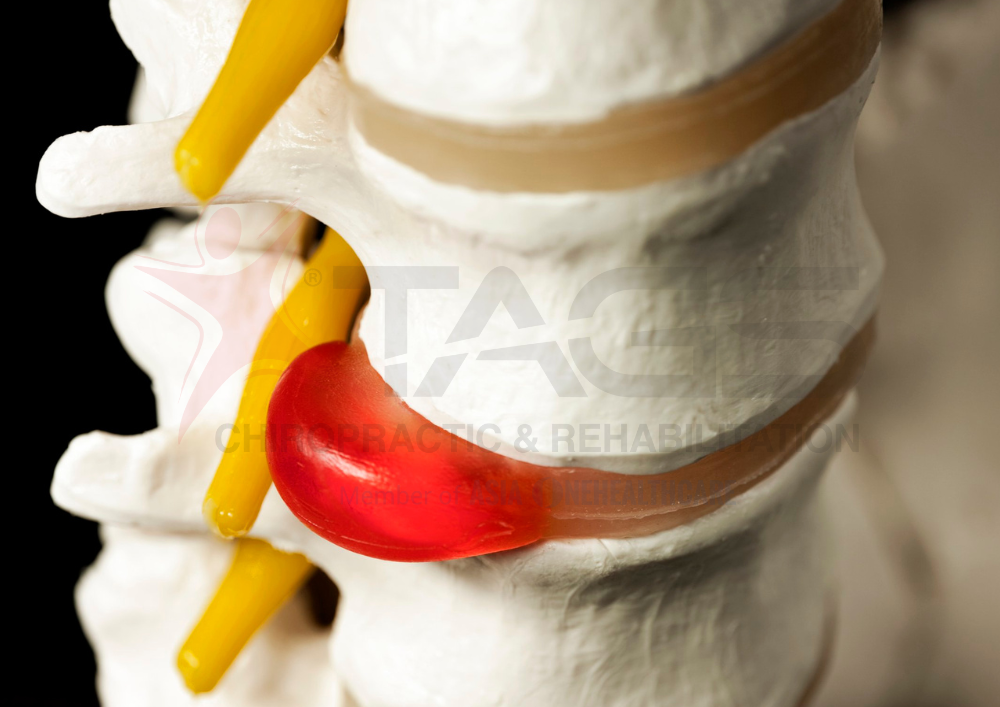
Your spine is made up of vertebrae stacked on top of one another, with soft, jelly-like discs sitting between each one. These discs absorb shock and allow your spine to move freely.
A herniated disc happens when the soft inner gel of a disc pushes through a crack in its outer layer. This can press on nearby nerves, triggering pain, numbness, or weakness in the back, legs, or arms, depending on which disc is affected.
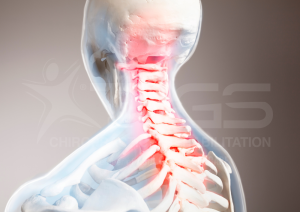
The two most commonly affected areas are the lower back (lumbar spine) and the neck (cervical spine).
COMMON SYMPTOMS
- Sharp or burning pain in the lower back or neck
- Pain that radiates down one leg (sciatica) or into the arm
- Numbness or tingling in the hands, fingers, feet, or toes
- Muscle weakness when gripping, lifting, or walking
- Pain that worsens after sitting or bending for long periods
If you are experiencing any of the above, it is worth having a proper assessment. A chiropractor or physiotherapist can identify what is driving your symptoms and rule out anything that may need further investigation.
HOW IS IT TREATED?
Most herniated disc cases do not require surgery. Conservative, non-invasive care is effective for the majority of patients, especially when started early.
Treatment typically involves a combination of approaches tailored to the individual. Chiropractic adjustments help to relieve pressure on the affected nerve and restore spinal movement. Physiotherapy and core rehabilitation exercises build the support structures around the spine to prevent recurrence.
For suitable cases, DTS Spinal Decompression Therapy (Decompression Traction System) is an option worth considering. This is a gentle, motorised traction treatment that creates negative pressure within the disc, encouraging the herniated material to retract and promoting better nutrient flow to the disc. It is non-invasive, performed lying down, and is generally well-tolerated.
Other supportive treatments may include therapeutic modalities such as IFC, ultrasound, and TENS for pain and inflammation, as well as shockwave therapy and dry needling to address muscle tightness and trigger points.
Recovery is not just about treatment sessions, it also involves understanding the habits that may have contributed to the problem, such as prolonged sitting, poor lifting technique, or a weak core. Addressing these alongside treatment gives the best long-term outcomes.
WHEN SHOULD YOU GET CHECKED?
If your pain has been lingering for more than a few days, is getting worse, or is spreading into your arms or legs — it is worth getting a proper assessment. Early diagnosis makes a significant difference in recovery time and outcome.
You can reach us at:
- Phone: +60 12-217 3788
- Email: info@tonikasia.com